

Allergic Conjunctivitis
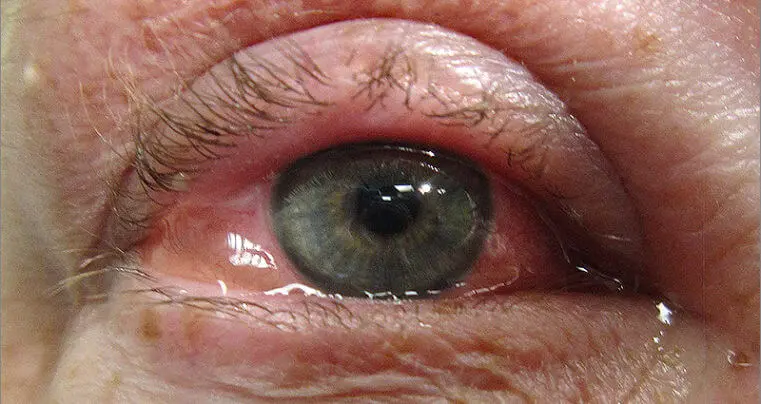
Allergy season has started and many patients are coming into the office with seasonal allergic conjunctivitis. However, allergic conjunctivitis can last all year long!
An eye allergy occurs when your eyes have a reaction to something in the environment. When the irritant comes in contact with the eyes, it results in an allergic reaction in the conjunctiva. This is the clear membrane that covers the white part of the eye. These irritants include outdoor pollen from flowers, weeds, grasses and trees. These are often seasonal, mainly occurring from February through October.
There are also irritants that are present all year long and cause perennial allergic conjunctivitis. These irritants include pet dander, mold, dust mites, and various fragrances or perfumes.
The signs and symptoms of allergic conjunctivitis include itching, redness, swelling and tearing. The amount of each will vary from person to person and depend on the concentration of the allergic irritants. The chemical that causes these signs and symptoms is called histamine, which is naturally produced by the body.
There are many ways to combat allergic conjunctivitis. First of all, patients with seasonal allergies should limit exposure to outside allergens during high pollen-count days. Women with known allergies should use hypoallergenic makeup, especially for mascara and eyeliner products. Everyone should change their pillows often to avoid allergies to dust mites that build up in them over time. Pillow and mattress coverings can also be used. Hard wood floors and tile will help allergy patients with carpeting in their bedrooms. Air conditioning filters and vents should be cleaned regularly.
There are many ways to treat allergic conjunctivitis. Artificial tears can often dilute the allergen and lessen the allergic response. Over the counter antihistamine pills and nasal sprays don’t work as well as eye drops placed directly onto the eye. Eye drops also don’t have the sedating and eye-drying effects caused by taking oral anti-allergy medications. There are a number of over the counter antihistamine eye drops that can be used, which your eye doctor can go over with you. In addition, there are stronger prescription eye drops that can be used.
There are two conditions that can cause similar signs and symptoms to allergic conjunctivitis: vernal keratoconjunctivitis and atopic keratoconjunctivitis. These can also occur in children and are sight-threatening. If someone has sensitivity to bright lights, that is an ominous sign that suggests the cornea is involved or they may have a cataract developing. Corneal disease is an emergency that needs to be evaluated by your eye doctor immediately. These conditions, if caught early can be treated and your precious gift of sight can be preserved.