

Why am I losing my eyelashes?
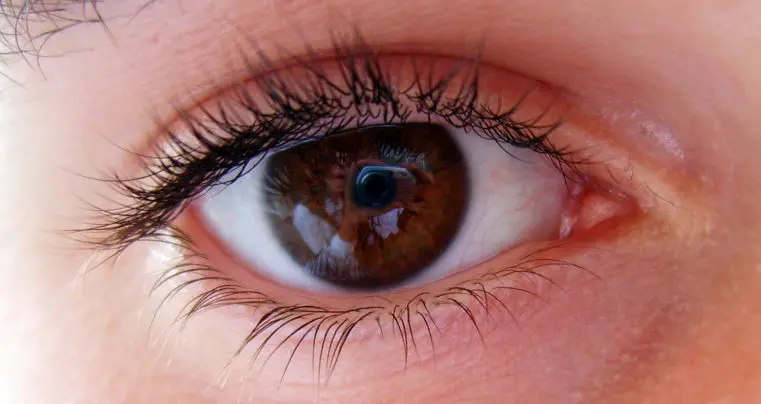
Eyelashes provide more than just a cosmetic appeal to one’s eyes. They are designed to protect the eyeball from airborne debris that can cause injury and infection. It is normal for some eyelashes to fall out on a daily basis. In fact, people lose between one and five eyelashes each day. It normally takes between six to ten weeks for an eyelash to be replaced. However, when someone is losing more eyelashes than normal or they are not being replaced, that can be a sign of an underlying problem with the eyelid or perhaps somewhere else in the body. There are a number of reasons why people lose eyelashes. These include:
- Blepharitis. This is an inflammation/infection of the eyelid which typically presents with symptoms of Itchiness or burning. The eyelids can also be red or swollen. There are two types of blepharitis: anterior and posterior blepharitis. Anterior blepharitis often results from bacteria and patients often find flaking in their eyebrows or lashes. Posterior blepharitis is the result of clogged meibomian glands near the base of the eyelashes. This results in chronic inflammation within the eyelash follicles. One cause of posterior blepharitis is acne rosacea, which may be evident on the patient’s face with redness of the skin around the nose and cheeks.
- Trichotillomania. This is a condition where stress or other emotional or psychological distress causes a person to pull out their own eyelashes habitually.
- Skin cancer. Rarely, localized eyelash loss can be a symptom of a skin cancer on the eyelid. This needs to be evaluated by your eye doctor as soon as it is recognized.
- Old eyelid scars. This can be caused by previous styes or from minor eyelid operations to remove styes. This affects the eyelash follicle and prevents regeneration of the lashes in the area of the scar.
- Cosmetic reasons. Using eyelash curlers (heated or non-heated) can harm eyelashes and speed up shedding. The use of eyelash extensions have been known to cause permanent eyelash loss.
- Allergies. Reactions to non-hypoallergenic mascara or eyeliners can result in eyelash loss, This allergic response has also been seen from the glue that is used to apply eyelash extensions.
If hair is falling out of the scalp or eyebrows, as well as the eyelashes, then this may be a sign of a systemic health problem elsewhere in the body.The most common causes of overall hair loss, including eyelashes, are:
- Thyroid Disorder. Both hyperthyroidism (an overload of thyroid hormone) and hypothyroidism (too little thyroid hormone) can cause eyelash and other hair loss. Other common symptoms of a thyroid disorder include changes in weight, cold or heat intolerance, increase or slowing of heart rate, unusual skin texture and an irregular, fast or slow heart rate. This needs to be evaluated by the patient’s internist with blood tests and physical examination.
- chronic inflammatory diseases. These would include autoimmune diseases like rheumatoid arthritis, lupus, scleroderma, and alopecia. These diseases can cause the body to attack its own hair follicles, causing full, partial or episodic hair loss on the body, head or face. ;
- nutritional deficiencies. These would include folic acid, biotin, vitamins A, C, D and E, zinc, B vitamins, and low iron.
- hormone changes such as those occurring during menopause or following childbirth
- chemotherapy and radiation therapy. These can affect the ability of the follicle to produce lashes
- stress
See your eye doctor if you notice any of the following:
- Eyelash loss on both lids;
- Eyelash loss associated with losing hair on your eyebrows or scalp;
- skin changes or arthritic symptoms in your joints
- Any of the thyroid symptoms described above
If a systemic cause for eyelash loss is discovered, this needs to be managed by your internist or specialist. Once this has been ruled out, then there is a medication that can be used on the eyelid itself. One way to treat the eyelash loss is by using Latisse, an FDA-approved prescription eye drop. It has been clinically studied and has demonstrated pronounced eyelash growth with longer and darker eyelashes. The product can sometimes cause ocular and eyelid irritation, pigmentation of the skin and iris color change with long-term use and needs to be monitored by your eye doctor. Latisse is not approved for people under the age of 18 and is not recommended for women during pregnancy or women who are breastfeeding. Do not reuse the single-use applicator for this drug or contaminate the bottle tip as this may lead to serious eye infections.